When someone dies, there are a lot of decisions to make. One of the first is often how you want to say goodbye.
For some families, a traditional funeral feels right. There may be a service at a church, crematorium or funeral venue, followed by a gathering where friends and relatives can come together. For others, a simpler approach makes more sense, particularly when the person who has died wanted something private and uncomplicated.
That's where direct cremation comes in.
If you're comparing direct cremation vs traditional funeral arrangements, the main difference is that a direct cremation takes place without a funeral service or ceremony at the time of cremation. The cremation is arranged privately, and the ashes are returned to the family afterwards.
Neither option is automatically better. It really comes down to what feels appropriate for the person who has died, the family and the circumstances.
What is a direct cremation?
A direct cremation is a straightforward cremation without a traditional funeral service beforehand.
The person who has died is taken into the care of the funeral director, the necessary arrangements and paperwork are handled, and the cremation takes place without mourners attending. Once the cremation has happened, the ashes are returned to the family.
For some people, this simplicity is exactly what they want.
There's no need to arrange a large gathering, choose readings or music, organise flowers, or find a suitable time when everyone can attend. Families can instead choose to remember their loved one in their own way, perhaps holding a memorial service later or gathering informally at home.
For people looking into simple cremation in Croydon, direct cremation can be a practical option when a traditional funeral doesn't feel necessary.
You can find out more about how this works on our direct cremation page.
What is a traditional funeral?
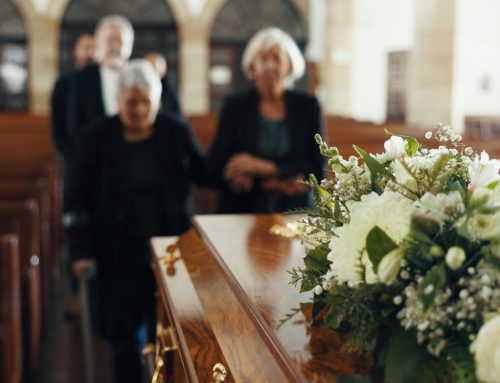
A traditional funeral usually includes a funeral service or ceremony where family and friends can gather to remember the person who has died.
The service might take place at a crematorium, church or another venue. Depending on the family's wishes, it could include readings, hymns or other music, flowers, eulogies and personal tributes.
Some people also choose to have a wake or reception afterwards.
For many families, these familiar rituals matter. A funeral gives people somewhere to go, something to take part in and a shared moment to acknowledge the loss. When lots of people are grieving, that can be surprisingly important.
Traditional funerals can also be highly personal. They don't have to follow a fixed formula. The service can be quiet and simple, or it can be a larger celebration of someone's life.
Direct cremation vs traditional funeral: the key differences
The easiest way to understand the choice is to look at what each option involves.
Direct Cremation |
Traditional Funeral |
|
|---|---|---|
| Funeral service | No service at the time of cremation | Usually includes a funeral service |
| Attendance | No mourners attend the cremation | Family and friends can attend |
| Cost | Usually lower because fewer services are involved | Usually higher depending on the arrangements |
| Timing | Can offer more flexibility around when you hold a memorial | The funeral usually takes place at an agreed time and date |
| Personalisation | Memorial or celebration can be arranged separately | Tributes, music, readings and flowers can form part of the service |
| Family involvement | Often more private and straightforward | Provides a shared occasion for family and friends |
The important thing is not to look at price alone. A cheaper funeral isn't necessarily the right funeral, and a more elaborate service isn't necessarily more meaningful.
Direct cremation pros and cons
Like any funeral arrangement, direct cremation has advantages and disadvantages. What works well for one family might not suit another.
The potential benefits
It can cost less.
Because there is no attended funeral service, fewer elements need to be arranged. This generally makes direct cremation a lower-cost option.
It can be simpler.
There are fewer decisions to make at what is already a difficult time. For some families, keeping things straightforward is a relief.
It can offer more flexibility.
You don't have to arrange everyone's schedules around the cremation itself. If you want to hold a memorial later, you can choose a date that works for the people who matter.
It can reflect someone's wishes.
Some people simply don't want a formal funeral. They may have said they wanted something private or didn't want their family to spend heavily on a ceremony.
Things to think about
There isn’t a service to bring everyone together.
This is probably the biggest consideration. Some relatives may find it difficult not to have that shared moment of saying goodbye.
It may not suit everyone emotionally.
Even if the person who died preferred a simple arrangement, family members can have different feelings about it. It’s worth talking through the decision where possible.
A memorial may still be important.
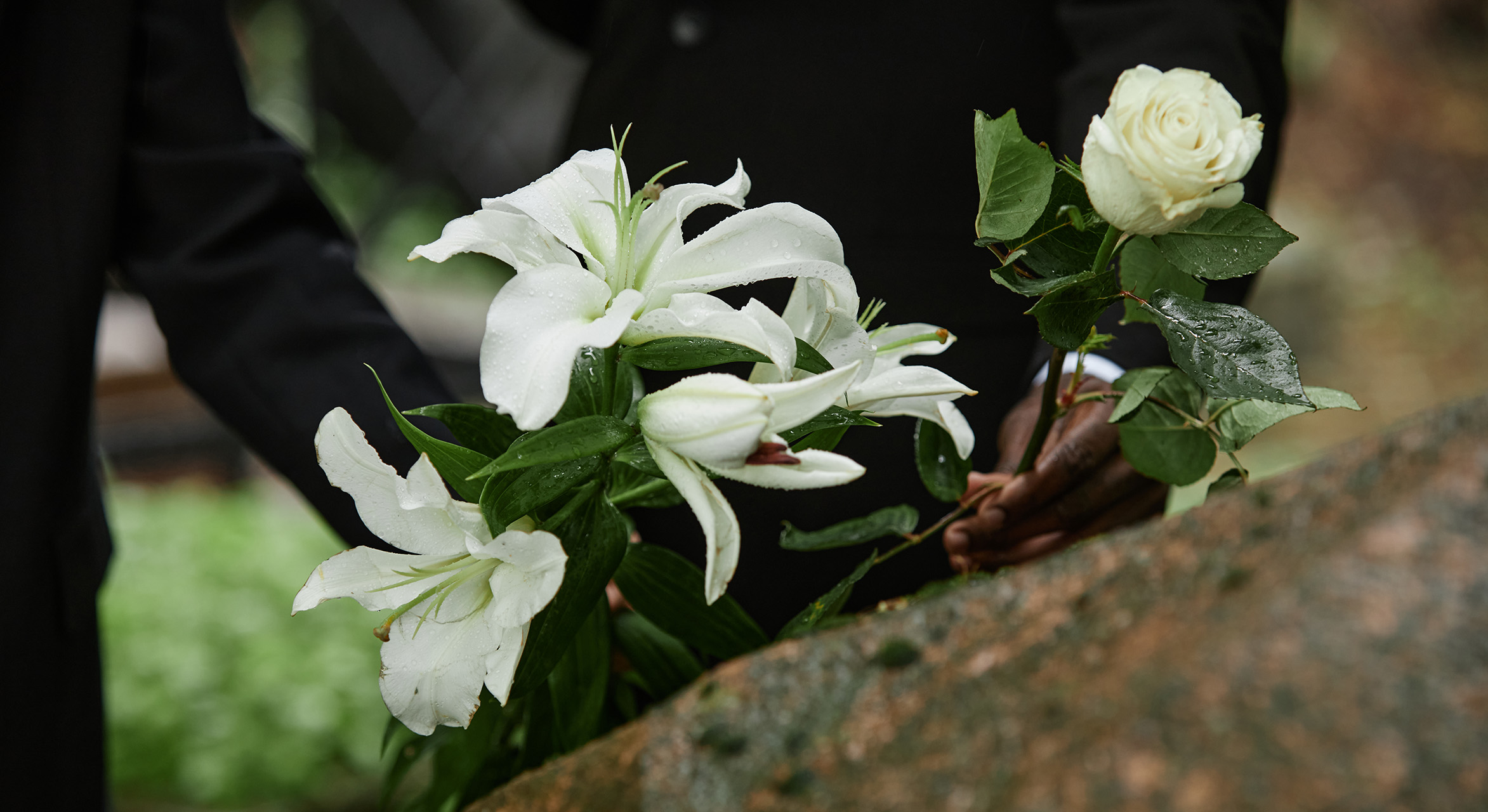
Direct cremation doesn’t mean you can’t have a ceremony. It simply means the cremation happens without mourners present. You can arrange a memorial, celebration of life or private gathering afterwards.
That last point is sometimes missed. Choosing direct cremation doesn’t mean choosing no goodbye.
Why do some families choose a traditional funeral?
There are plenty of reasons.
For some families, the funeral service is part of how they process grief. Having relatives, friends and members of the wider community together can make the loss feel real and give people an opportunity to offer support.
There’s also something meaningful about personalising a service. A favourite piece of music, a story about the person, photographs, flowers or a particular reading can all help make the occasion feel like them.
A traditional funeral can also be important for people who live further away. Rather than everyone arranging separate visits, the funeral provides a clear opportunity to come together.
Of course, traditional funeral arrangements can cost more. The final price depends on what you choose, from the type of coffin and transport to flowers, venue arrangements and the funeral service itself. A traditional funeral doesn’t have to be extravagant, though. There are usually ways to keep arrangements simple while still having an attended service.
Which option is right for your family?
There isn’t a universal answer.
It may help to start with a few straightforward questions:
- Did the person who died leave any instructions about their funeral?
- Would they have wanted a formal service?
- Does the family want an opportunity to gather and say goodbye?
- Would a private cremation feel more appropriate?
- Is there a particular religious or cultural tradition you want to follow?
- Would you prefer to hold a memorial at a later date?
- What level of funeral spending feels manageable?
Try not to make the decision based on what you think you’re supposed to do.
Funerals are deeply personal. Some families find comfort in a traditional service, while others prefer something quieter and less formal. Both can be thoughtful, respectful ways of remembering someone.
If you’re unsure where to start, our guide to arranging a funeral explains some of the decisions you’ll need to consider.
Can you have a memorial after a direct cremation?
Yes. In fact, this is one of the reasons direct cremation appeals to some families.
You can have the cremation first and take some time before deciding how you’d like to remember the person. That might mean a gathering at home, a memorial service, a celebration of life or simply spending time with close family.
For some people, this feels more natural than trying to organise everything within a few days of the death.
It also gives you the chance to make the occasion genuinely personal rather than feeling that everything has to happen at once.
Is direct cremation cheaper than a traditional funeral?
Generally, yes.
A direct cremation usually costs less because it doesn’t include many of the services associated with an attended funeral. However, prices vary between funeral directors and according to exactly what is included, so it’s important to look beyond the headline price.
Ask what the funeral package covers. Are there additional charges? Is the cremation fee included? How is the person cared for? What happens with the ashes?
A clear explanation of the costs should be part of choosing a funeral director. You shouldn’t feel pressured into paying for things you don’t want or need.