Most people only really think about what a funeral director does when they need one. And by that point, there’s a lot going on — grief, family, decisions that feel impossible to make. It’s not an easy time to be asking questions.
So here’s an easy, honest look at what a funeral director actually does and why it matters.
More Than Organising a Funeral
The simple answer is yes, funeral directors organise funerals. But that description doesn’t really do it justice.
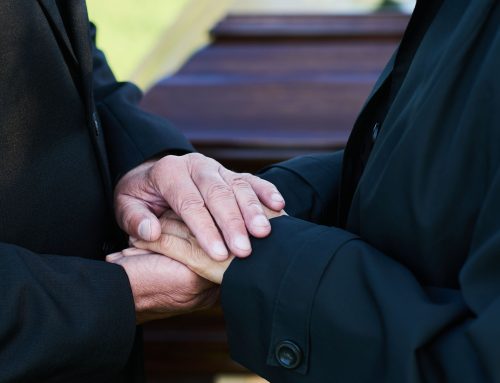
From the moment a family gets in touch, a funeral director takes on a great deal — practically, logistically and often emotionally too. They’re the person who remains calm when everything around them isn’t; they’re who manages the paperwork so a family doesn’t have to, and asks the difficult questions gently, making sure nothing gets missed.
It’s a role that requires as much empathy as it does organisation.
What Does a Funeral Director Actually Do?
The practical responsibilities start early. When someone dies, the funeral director arranges for the person to be brought into their care — whether that’s from a hospital, a care home or the family home. From there, they’ll look after the deceased with dignity until the funeral takes place.
The funeral director will guide families through registering the death, obtaining the right documentation and liaising with the crematorium or burial ground. They’ll help choose a coffin, arrange flowers, coordinate with clergy or celebrants, organise hearses and pallbearers and manage the order of service. The list is longer than most people realise.
Where a family wants a viewing — the chance to spend time with their loved one before the funeral — the funeral director facilitates that too, in a private, peaceful setting.
The Human Side of the Role
This is the part that’s harder to put into a list.
A good funeral director reads the room. They understand that one family needs lots of guidance and another needs space. They know when to offer information and when to simply listen. Grief looks different for everyone and the best funeral directors know that.
There’s also the matter of cultural and religious sensitivity. In a diverse community, funerals take many different forms and a funeral director’s job is to honour those differences. There’s never a one-size-fits-all approach.
Planning Ahead
It’s worth knowing that you don’t have to wait until bereavement to speak to a funeral director. Many families choose to plan ahead, whether that’s for peace of mind or to take the pressure off those they’ll leave behind. A pre-arranged funeral plan isn’t a morbid thing and most people who do it say it felt like a relief.