
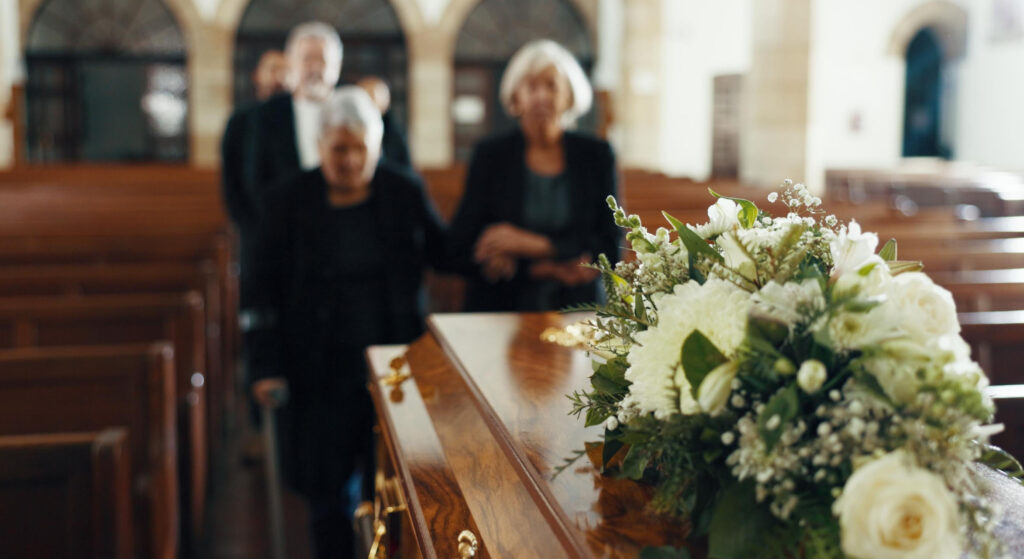
Losing someone you love is one of the hardest experiences any of us will face. In the days that follow, there are practical decisions to be made, often while you are still in shock, still processing what has happened. Knowing what to expect from the funeral arrangement process can help to ease some of that weight, even just a little.
This guide is intended to give families in Croydon a clear, straightforward overview of what arranging a funeral involves, and what support is available to you along the way.
Step 1: Who Can Arrange a Funeral?
One of the main things to determine when a loved one dies is who will be responsible for arranging a funeral. You can legally arrange a funeral for someone if you are an executor of their will, their nearest relative or a person accepting responsibility for that individual.
Step 2: Contact a Funeral Director
The first practical step is notifying a funeral director. You do not need to have everything figured out before you make that call. A good funeral director will guide you through each stage at a pace that feels manageable and will handle the practical coordination on your behalf.
If your loved one passed away at home, a doctor or Medical Examiner will need to confirm the death before they can be moved. If they died in a hospital or a care home, the staff there will advise on next steps. In some circumstances, where the cause of death is uncertain, the coroner may become involved. This can feel daunting, but it is a standard part of the process, and your funeral director will explain what it means for your arrangements.
Step 3: Register the Death
Before a funeral can take place, the death must be registered with the local register office. In Croydon, this is handled through the London Borough of Croydon. For Bromley, deaths are registered through the London Borough of Bromley’s Register Office. Registration should ideally take place within five days (unless referred to the Coroner) and you will need a medical certificate of the cause of death from the attending doctor or hospital.
Once registered, you will receive the documents needed to proceed, including the certificate for burial or cremation.
What Documents Do You Need to Arrange a Funeral?
- Medical Certificate
- Green Form
- Death Certificate
- Tell Us Once service – The Government’s service notifies DWP, DVLA, HM Passport Office and HRMC.
Step 4: Choose the Type of Funeral
There is no single right way to say goodbye to a loved one. Some families want a traditional service with a religious ceremony, a procession, and a gathering afterwards. Others prefer something simpler and more private. Increasingly, families are also choosing eco-friendly options or bespoke services that reflect the personality and passions of the person they have lost.
Here are some options to consider:
Across Croydon, Bromley and South London, there are a range of crematoriums and burial grounds available. Your funeral director will advise on what is appropriate depending on your wishes, your faith, and your timescale. Our advice and guidance pages cover the different types of funeral service in more detail if you would like to explore your options.
Step 5: Make the Funeral Arrangements
Once you have met with your funeral director, the arrangements will typically cover the care of your loved one, transportation, the service itself, and any additional elements you wish to include, such as flowers, music or a eulogy. You will also discuss the coffin or casket and whether you would like any time for family to visit beforehand.
Here are some details to consider:
- Officiant
- Orders of service
- Webcast/live streaming
- Donations
- Memorials
Do not feel rushed into any of these decisions. A compassionate funeral director will give you the space to think and will support you in making choices that feel right for your family.
Step 6: Consider the Cost
Funeral costs vary depending on the type of service and the choices you make. It is always worth asking for a clear, itemised estimate upfront so there are no surprises. If cost is a concern, speak openly with your funeral director. There are options available at different price points, and there is no judgement in asking.
Typical funeral costs include:
- Funeral director fees
- Crematorium or cemetery fees
- Minister/celebrant
- Flowers
- Notices
- Limousines
- Catering
If you would like to protect your family from these decisions in the future, our funeral plans allow you to make arrangements in advance and help protect against many future funeral costs.
Government support may be available through the Funeral Expenses Payment for eligible applicants.
After the Funeral: Support Is Still There
The period following a funeral can feel very uncertain. The practical activity stops and grief often deepens. It is important to know that support does not end when the service does. Our bereavement support is available to any family who needs it, whether you have recently lost a loved one or you are still finding your way through a loss from some time ago.
How Rowland Brothers Can Help
At Rowland Brothers, we have been caring for local families in Croydon, Bromley and across South London since 1873. We understand that no two families are the same and no two losses feel the same. Our role is to support you through every stage of the process, with honesty, care, and the kind of experience that only comes from over 150 years of serving this community.
If you have recently lost a loved one, or simply want to understand your options, we are here to help. Please do not hesitate to get in touch.
Call us any time on 0800 0789 636 to find out more.

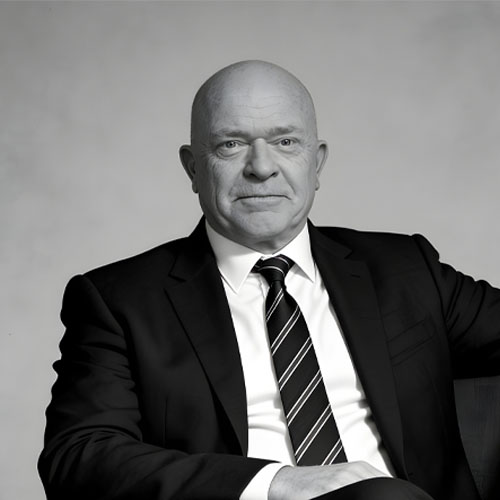
Author
Steve Rowland,
News and Funerals
Steve Rowland is a funeral professional with over 40 years’ experience supporting families with care and integrity. A key figure at Rowland Brothers Funeral Directors, he also leads global repatriations through Rowland Brothers International and serves as a director of Golden Leaves Funeral Plans. As a founding member of the National Association for Funeral Plan Providers, Steve has championed ethical standards and transparent pre-paid funeral plans while remaining committed to modernising funeral services with respect for tradition.