
Choosing between burial and cremation is a decision many families face when arranging a funeral. Sometimes the person who has died made their wishes clear years before. Sometimes they only ever mentioned it in passing. And sometimes, there is no indication at all.
If you’re asking yourself, ‘should I choose burial or cremation?’, it can help to know that there isn’t a single right answer.
Burial may feel right because it provides a permanent place to visit and remember someone. Cremation can offer more flexibility, particularly when deciding what to do with the ashes afterwards. Personal beliefs, family traditions, religion, cost, practical considerations and, above all, the wishes of your loved one can all influence the decision.
It can feel like a lot to think about while you’re grieving. You don’t need to have everything worked out straight away.
At Rowland Brothers, we’ve been helping families across Croydon and South London with this decision since 1873. Our funeral directors can explain the different options, answer your questions and give you space to consider what feels right for your family.
What Is the Difference Between Burial and Cremation?
With a burial, your loved one is laid to rest in a coffin in a cemetery, churchyard or another suitable burial ground. Some families have an existing family grave, while others will need to choose and purchase a new burial plot.
With cremation, your loved one is cremated at a crematorium. The cremated remains, commonly called ashes, are then returned to the family or funeral director. You can decide what to do with them afterwards, and that decision doesn’t necessarily have to be made immediately.
Both can be part of a traditional funeral service, and both can be arranged in ways that are personal to the person being remembered.
Rowland Brothers can help families arrange both burial and cremation funerals, as well as discuss the options available for cremated remains.
Choosing Burial
For some families, having a grave to visit is a very important part of saying goodbye.
A grave gives loved ones somewhere physical to return to. It might become a place to visit on birthdays and anniversaries, or simply somewhere to sit quietly when you’re missing them. For some families, that shared place of remembrance becomes especially meaningful over time.
Burial can also be the natural choice when your loved one expressed a wish to be buried, perhaps because of their beliefs, family traditions or a connection with a particular cemetery or churchyard.
New and Existing Graves
If you need a new grave, you’ll usually buy a plot at a cemetery or burial ground. Some families choose somewhere close to where their loved one lived, or near relatives who are already buried there. If the family already has a grave, it may be possible to use that instead.
Reopening a Family Grave
Many family graves are designed to hold more than one person. Before a grave can be reopened, the cemetery will check that there’s space and that permission has been given, usually by the grave’s registered owner. If there’s a headstone, a memorial mason may need to remove it before the burial and refit it afterwards. We can look into this for you and handle the arrangements with the cemetery.
Grave Ownership and Permissions
Buying a grave usually means buying the exclusive right of burial for a set number of years, rather than the land itself. The person named on the grave deed decides who can be buried there and what memorial can be placed on it. If the owner has died, the rights may need transferring first. It sounds complicated, but it’s something we help families with regularly.
Churchyard or Cemetery?
A churchyard can feel very personal, especially where a family has a long connection with the church. Space is limited, though, and many churchyards no longer take new burials. Where burial is possible, it’s usually for people who lived in the parish or had close ties to the church, and memorials tend to follow stricter rules. Cemeteries, most of which are run by local councils, generally offer more space and more choice.
Natural Burial
Natural burial grounds offer a quieter setting among trees, grasses or wildflowers. They usually require a biodegradable coffin or shroud, and memorials are kept simple, perhaps a tree or a small wooden marker. For families who want a gentler, greener approach, it can be a lovely choice.
Religious and Cultural Requirements
Faith can shape many parts of a burial. Some traditions, including Islam and Judaism, usually ask for burial to take place as soon as possible. Others have particular customs around the service, the grave or how the person is prepared. We support families of many faiths and cultures across South London and will make sure your arrangements respect your beliefs.
Religious and Cultural Requirements
Faith can shape many parts of a burial. Some traditions, including Islam and Judaism, usually ask for burial to take place as soon as possible. Others have particular customs around the service, the grave or how the person is prepared. We support families of many faiths and cultures across South London and will make sure your arrangements respect your beliefs.
Headstones and Memorials
A headstone often becomes the heart of a grave. There's a wide choice of stone, shape, lettering and design, and many families add a photo plaque, vase or personal carving. Most cemeteries ask you to wait several months before a headstone is fitted so the ground can settle. Our team can guide you through designs and the cemetery's rules.
The cost of burial can vary considerably depending on the burial ground, the plot, coffin, funeral service and any memorial you choose.
Headstones and Memorials
A headstone often becomes the heart of a grave. There's a wide choice of stone, shape, lettering and design, and many families add a photo plaque, vase or personal carving. Most cemeteries ask you to wait several months before a headstone is fitted so the ground can settle. Our team can guide you through designs and the cemetery's rules.
The cost of burial can vary considerably depending on the burial ground, the plot, coffin, funeral service and any memorial you choose.
Read more: Arranging a Funeral
Choosing Cremation
Cremation is another common choice, and for many families, the flexibility it offers is reassuring.
One of the biggest differences is what happens afterwards. Once the cremation has taken place, you have a number of choices about the cremated remains. You don't necessarily need to decide straight away.
For example, the ashes could be:
- Kept at home in an urn
- Scattered somewhere that was meaningful to your loved one
- Interred in a cemetery or churchyard
- Interred in a natural burial ground
Sometimes a family knows immediately what they would like to do. Other times, they need a little longer.
That's completely understandable. There is no need to make another significant decision while emotions are still raw simply because the funeral has finished. Rowland Brothers can hold cremated remains while a family takes time to decide what feels right.
For some people, that extra breathing space is one of the main reasons cremation feels like the better choice.
Is Cremation Cheaper Than Burial?
Cost can be an important consideration when you're looking at burial vs cremation. Funerals can involve a number of different expenses, and it isn't always easy to see at first how they all fit together.
Generally, cremation can cost less than burial because a traditional burial plot isn't required. But there isn't a simple rule that says cremation will always be cheaper.
The overall cost depends on the funeral arrangements you choose. This might include the crematorium or cemetery, coffin, funeral service, transport, flowers and any memorialisation.
It's better to look at the cost of the whole funeral rather than comparing burial and cremation in isolation.
There are also different types of cremation. A direct cremation, for example, does not include a traditional attended funeral service. It can be a suitable option for families who want a simpler arrangement, although it won't be right for everyone.
Choosing a direct cremation doesn't mean compromising on care. With Rowland Brothers, your loved one is brought into our care locally and looked after by our own experienced team until the cremation takes place. A simpler funeral should never mean a lower standard of care.
Read more: Direct Cremation vs Traditional Funeral
The important thing is to understand what is included and what isn't, so you can make a decision based on what matters to your family rather than cost alone.
What Happens to Ashes After a Cremation?
This is sometimes a decision families only start thinking about after the funeral.
There are lots of possibilities, and what feels right will depend on the person and the family.
Some families keep their loved one's ashes at home. Others choose a particular place that held meaning for them and scatter the ashes there. Ashes can also be interred in a cemetery or churchyard, including an existing family grave where appropriate permissions have been obtained.
Natural burial grounds offer another option, providing a more natural setting among trees, grasses or wildflowers.
There are also many ways to create a lasting memorial. Families can choose from a wide range of options, including urns, keepsakes, memorial jewellery and traditional memorial masonry. Our team can show you the different options available and help you find something personal to your loved one.
Read more: Memorials | Memorial masonry | Urns and keepsakes
What If My Loved One Didn't Leave Any Wishes?
This can be one of the hardest parts.
If your loved one never said whether they wanted to be buried or cremated, it is very easy to worry that you're going to make the wrong choice.
Try not to put that pressure on yourself.
Think about the person you knew. Did they have particular religious or cultural beliefs? Were they connected to a certain place? Did they ever talk about funerals, cemeteries, cremation or what they would like after their death, even casually?
It can also be worth speaking to other close family members. Someone may remember a conversation you weren't part of, or recall a small comment that gives you a sense of what they might have wanted.
But sometimes nobody knows. And that's okay.
If there is no clear preference, the decision ultimately rests with the family. You are not expected to somehow discover a perfect answer that doesn't exist.
A funeral is about remembering and saying goodbye. The choices you make should help you do that in a way that feels meaningful and manageable.
Burial or Cremation: How Do You Decide?
There are several things worth considering when weighing up your funeral options in the UK.
Start with your loved one's wishes, if you know them. From there, think about what will be important to the people who will be left with the memories and, potentially, the responsibility of maintaining a grave or deciding what happens to cremated remains.
Burial may feel right if:
- Your loved one wanted to be buried
- Having a permanent grave is important to your family
- There is an existing family grave
- You would value having a specific place to visit
- Religious or cultural traditions favour burial
Cremation may feel right if:
- Your loved one requested cremation
- You would like more flexibility over what happens afterwards
- Keeping or scattering the ashes feels meaningful
- You don't have access to a burial plot
- You are considering a natural or alternative memorial
These aren't rules. They're simply things to think about.
For some families, the choice is mostly practical. For others, it is deeply emotional. Usually, it's a bit of both.
What About the Environmental Impact?
Environmental considerations may also come into the conversation.
Neither burial nor cremation is completely without environmental impact, and the difference can depend on the specific arrangements. For burial, factors can include the land used, the type of coffin and the management of the burial ground. Cremation involves energy use and emissions.
There are also different approaches within each option. Natural burial, for example, may appeal to families who want a more natural setting and a simpler approach to memorialisation.
If environmental concerns are important to your family, it is worth discussing the different choices with your funeral director rather than relying on a simple burial-versus-cremation comparison. The details of the funeral can make a difference too.
You Don’t Have to Make The “Perfect” Choice
When you’re arranging a funeral, there can be a temptation to think there is a correct way to do everything.
There isn’t.
The right choice is the one that feels appropriate for your loved one and your family. It might be a traditional burial, a cremation followed by a gathering somewhere meaningful, or something much simpler.
And if you aren’t sure, that’s a perfectly reasonable place to start.
A good funeral director should be able to explain the choices without pushing you towards one particular option. You can ask questions, take your time where possible and talk things through with the people closest to you.
Not Sure Whether Burial or Cremation Is Right for your Family?
Our experienced funeral directors can talk you through the choices, costs and practical differences without any obligation. Whether it’s a new grave, reopening a family grave or deciding what to do with ashes, we’ll explain everything clearly and let you decide in your own time.
Rowland Brothers has been caring for families across Croydon and South London since 1873, and we’re here whenever you need us.
Speak to your local Rowland Brothers funeral director or contact us today.
Frequently Asked Questions

Author
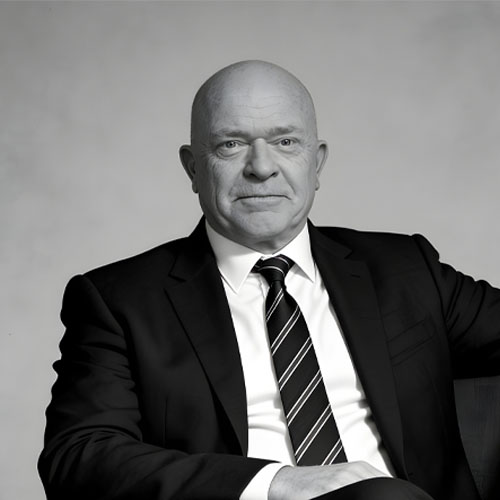
Steve Rowland,
News and Funerals
Steve Rowland is a funeral professional with over 40 years’ experience supporting families with care and integrity. A key figure at Rowland Brothers Funeral Directors, he also leads global repatriations through Rowland Brothers International and serves as a director of Golden Leaves Funeral Plans. As a founding member of the National Association for Funeral Plan Providers, Steve has championed ethical standards and transparent pre-paid funeral plans while remaining committed to modernising funeral services with respect for tradition.